111-01 Queens
Boulevard,
Forest Hills, NY 11375

Latest Posts
Dental Implant Treatment Review: What to Expect
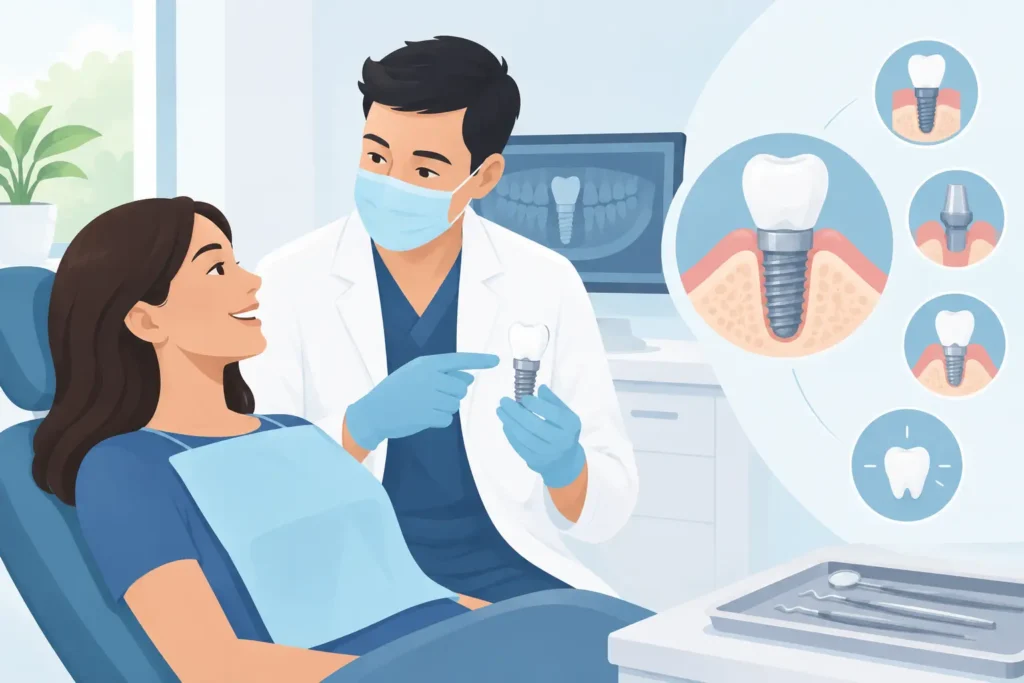
Replacing a missing tooth is about more than filling an empty space in your smile. The tooth may affect how you chew, how clearly you speak, and how confident you feel in photos or conversations. This dental implant treatment review explains what the process can involve, where the decisions matter most, and how advanced planning can make treatment feel more predictable.
For many adults in Forest Hills and throughout Queens, implants offer a fixed, natural-looking alternative to removable dentures or a traditional bridge. Still, an implant is not a one-size-fits-all procedure. Your overall health, bone support, bite, gum condition, and goals all shape the right plan.
What Is a Dental Implant?
A dental implant is a small post, usually made of biocompatible titanium, that is placed in the jawbone to take the place of a missing tooth root. Once the bone heals around the implant, a custom crown, bridge, or denture can be attached above the gumline.
The visible restoration is designed to match the shape, color, and function of your natural teeth. Unlike a removable appliance, an implant-supported tooth stays in place. Unlike a conventional bridge, replacing one missing tooth with an implant often avoids reshaping the healthy teeth next to the gap.
That distinction matters. When a tooth is lost, the bone in that area can gradually shrink because it no longer receives the stimulation created by chewing. An implant can help preserve that support, although it cannot reverse every change that occurred before treatment.
Dental Implant Treatment Review: The Steps That Matter
A high-quality implant result begins before surgery. The planning phase is where your dental team evaluates whether an implant is appropriate and determines how to place it safely and accurately.
1. A complete examination and 3-D planning
Your visit typically begins with a review of your health history, medications, gum health, bite, and the condition of nearby teeth. Digital imaging and 3-D scans help the dentist assess available bone and identify the location of nerves, sinus spaces, and other structures that must be protected.
This is also the time to discuss the final restoration, not only the implant post. A well-planned implant should support a crown or bridge that fits naturally into your bite and is easy to clean. Planning the final tooth first helps guide the surgical position of the implant.
At Renaissance Dental Forest Hills, guided implant surgery can be used to translate digital planning into precise placement. A custom surgical guide helps direct the implant according to the approved treatment plan. Not every patient needs the same approach, but detailed planning can be especially valuable when space is limited, multiple teeth are missing, or the treatment involves a full-arch restoration.
2. Preparing the site when needed
Some patients can receive an implant soon after an extraction. Others need time for the area to heal first. If bone volume is insufficient, a bone graft may be recommended to create a stronger foundation. In the upper back jaw, a sinus lift may occasionally be part of treatment.
These added steps can extend the timeline and cost, but they are not unnecessary extras. They may be the reason an implant can be placed in a stable, long-lasting position. Your dentist should explain why a graft is or is not recommended for your specific situation.
3. Implant placement
During placement, the implant post is positioned in the jawbone under local anesthesia. Sedation options may be discussed for patients with dental anxiety or for more extensive care. Many people are surprised that discomfort is manageable with appropriate planning and post-treatment instructions, though recovery varies from person to person.
Mild swelling, tenderness, and temporary dietary adjustments are common in the first several days. Most patients can return to normal daily activities quickly, but strenuous exercise may need to wait briefly. Following instructions for medication, oral hygiene, and food choices protects the surgical site during early healing.
4. Healing and restoration
The bone needs time to integrate with the implant, a process called osseointegration. Depending on the location of the implant, bone quality, and the type of restoration planned, healing may take several months. Some cases qualify for a temporary tooth sooner, while others are safer with a more gradual approach.
Once the implant is ready, the final crown, bridge, or implant-supported denture is created. Digital dentistry can help create restorations with accurate contours and natural color matching. The goal is not simply a tooth that looks good in a mirror. It should also feel comfortable when you bite, speak, and clean around it every day.
Who Is a Good Candidate for Implants?
Many adults who are missing one or more teeth may be candidates for implants. Healthy gums, adequate bone support, and a commitment to oral hygiene are all helpful. Age alone does not rule someone out. A healthy older adult may be an excellent candidate, while a younger patient with active gum disease may need periodontal treatment first.
Medical conditions do not automatically prevent implant treatment, either. Diabetes, osteoporosis medications, immune conditions, smoking or vaping, and certain heart-related medications can affect healing or require added coordination with your physician. Open communication is essential. Your dental team needs a complete health history to plan care safely.
Teeth grinding is another factor worth discussing. Implants do not get cavities, but the crown, connecting components, and surrounding bone still experience biting forces. A nightguard may be recommended to protect your restoration and natural teeth if you clench or grind while sleeping.
Benefits and Trade-Offs to Consider
Dental implants can provide excellent stability, a natural appearance, and strong chewing function. They can replace a single tooth, support several teeth, or secure a full denture so it does not shift during meals or conversations. For the right patient, that security can be life-changing.
The trade-off is that implant treatment takes planning, healing time, and an upfront financial investment. It is also a surgical procedure, so there are risks such as infection, delayed healing, or implant failure. These outcomes are not common when patients are properly selected and follow care instructions, but no treatment can promise a perfect result.
A bridge or removable denture may be the better choice in some cases. A bridge can sometimes be completed more quickly, particularly when adjacent teeth already need crowns. A removable denture can be a practical solution when surgery is not advisable or when budget is the primary concern. The best option depends on your oral health, timeline, priorities, and long-term goals.
Questions to Ask at Your Consultation
A productive implant consultation should leave you with a clear treatment path rather than a vague estimate. Ask whether you need a graft, how long healing is expected to take, and whether a temporary tooth will be available during treatment. You should also ask what restoration is included in the plan and how follow-up care will be handled.
It is helpful to understand the full investment from the start. Implant care may include imaging, surgery, grafting, the implant post, an abutment, and the final crown or denture. Insurance coverage varies widely, and some plans cover portions of treatment rather than the entire procedure. A written estimate and discussion of payment options can help you make a confident decision.
Finally, ask how the office plans for precision and safety. Digital scans, guided surgery, strict infection-control protocols, and coordination between surgical and restorative care can all contribute to a more organized experience.
Caring for an Implant After Treatment
An implant needs consistent home care and professional maintenance. Brush twice daily, clean between teeth as instructed, and keep regular dental visits. Your hygienist may recommend specialized floss, interdental brushes, or other tools based on the shape of your restoration.
Bleeding gums, persistent bad breath, tenderness, or a change in how your implant crown feels should be evaluated promptly. Gum inflammation and bone loss can occur around implants, particularly when plaque builds up or maintenance visits are skipped. With attentive care, implants can remain a dependable part of your smile for many years.
The right implant plan should feel clear, not rushed. A thoughtful evaluation gives you the space to understand your options, protect your health, and choose a restoration that supports the way you want to eat, speak, and smile.
Comments are closed.
Proudly serving the surrounding areas:
Forest Hills NY • Queens NY • Rego Park NY • Kew Gardens NY • Maspeth NY
Middle VIllage NY • Woodside NY • Sunnyside NY • Jamaica Estates NY • Queens County NY